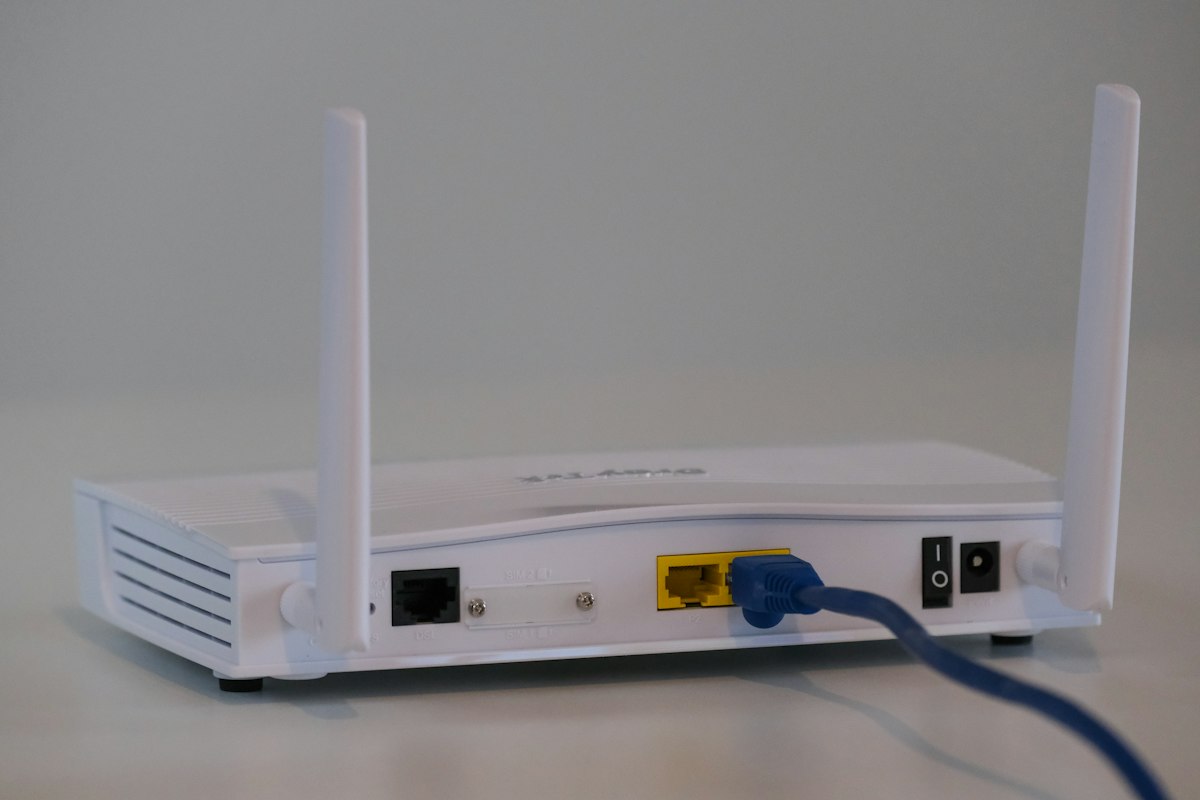
Wi-Fi extenders, mesh systems, and router placement adjustments are all popular solutions for improving wireless coverage, but they don’t always deliver the speed improvements people expect. This article explores how Wi-Fi extenders affect your internet speed, when they help, when they don’t, and how to use Speed Test US to evaluate whether your extender setup is actually working.
How Wi-Fi Extenders Work
A Wi-Fi extender, sometimes called a repeater, receives the wireless signal from your router and rebroadcasts it to extend coverage to areas that would otherwise have weak or no signal. This is particularly useful in larger homes, multi-story buildings, or homes with thick walls that block wireless signals from reaching every room. Without an extender, devices in these dead zones might have no connection at all, or a connection so weak that it’s effectively unusable.
The Hidden Cost: Bandwidth Halving
Here’s what many people don’t realize about traditional Wi-Fi extenders: in most cases, they communicate with your router on the same wireless channel they use to communicate with your devices. This means the extender has to receive data and then retransmit it using the same radio, effectively cutting the available bandwidth in half for any device connected through the extender. So while an extender might solve a coverage problem, allowing a device to connect at all, it often does so at the cost of significantly reduced speed compared to a device connected directly to the main router.
Mesh Systems: A Better Approach
Mesh Wi-Fi systems address this limitation by using multiple access points that communicate with each other, often over a dedicated wireless band or wired backhaul connection separate from the band used to serve devices. This means mesh nodes don’t suffer the same bandwidth halving problem as traditional extenders, and devices connected to any node in the mesh can get speeds much closer to what the main router provides. Mesh systems also typically allow devices to seamlessly switch between nodes as you move through your home, maintaining a consistent connection.
Testing Before and After
If you’re considering adding an extender or mesh system, or if you already have one and want to evaluate its effectiveness, Speed Test US is a valuable tool. Run a test in the area with weak coverage before installing your extender or mesh node to establish a baseline. Then install your device and test again in the same location. Compare the results not just to the baseline, but also to a test run near your main router. A well-functioning mesh system should show speeds in the extended area that are reasonably close to the speeds near the main router, while a traditional extender might show a noticeable gap.
Placement Matters
Regardless of whether you use an extender or mesh node, placement significantly affects performance. The device needs to be positioned where it can receive a strong signal from the main router while also providing coverage to the area that needs it. Placing an extender too far from the router, in an attempt to maximize coverage, can result in the extender itself receiving a weak signal, which it then rebroadcasts, compounding the problem. Testing speeds at various extender placements can help you find the optimal location.
When to Consider Wired Connections Instead
For devices that don’t move, such as desktop computers, smart TVs, or gaming consoles, running an ethernet cable, even through walls or along baseboards, can provide a more reliable and consistent connection than any wireless extension solution. Some mesh systems also support wired backhaul, where nodes are connected to each other via ethernet rather than wirelessly, which can dramatically improve performance compared to a fully wireless mesh setup. Using Speed Test US to compare wired versus wireless performance in the same location can help you decide whether the effort of running a cable is worthwhile for your situation.